At Stanislaus State, campus safety begins with a simple premise: people come first.
That means helping students, faculty and staff feel safe, supported and informed, and also making sure people know where to turn when they have a concern and understand the resources available to them.
“Your safety, privacy and ability to thrive at Stan State matter deeply to me and my entire leadership team,” President Britt Rios-Ellis wrote in a recent message to campus. “Please know that we take our commitment to protect our community seriously.”
The University Police Department and Safety and Risk Management work together with offices and programs across Stan State to prepare for emergencies, respond to reported concerns and connect members of the campus community with appropriate support and resources.
“Creating and maintaining a safe campus requires a coordinated, thoughtful, prevention-focused approach that recognizes trust, safety, equity, privacy and belonging as interconnected responsibilities,” said Director of Safety and Risk Management Vicki Jones.
“As chief of police, I believe we have a responsibility to protect not only the physical safety of our campus community but also the sense of belonging, trust and peace of mind that allows people to thrive,” University Police Chief Steve Olson said.
Safety Includes Prevention, Response and Trust
Olson said that work depends on relationships, communication and trust.
“Campus safety is not something the University Police Department can accomplish alone,” he said.
Olson said building trust and maintaining open communication can make it easier for members of the campus community to share information, ask questions and report situations that may need attention. Early communication can also help connect people with campus resources and address concerns before they escalate.
Students, faculty and staff are encouraged to report circumstances that make them feel unsafe or that may pose a threat to others. If an interaction becomes intimidating or threatening or raises an immediate safety concern, members of the campus community should report the conduct. In the case of an emergency, call 9-1-1.
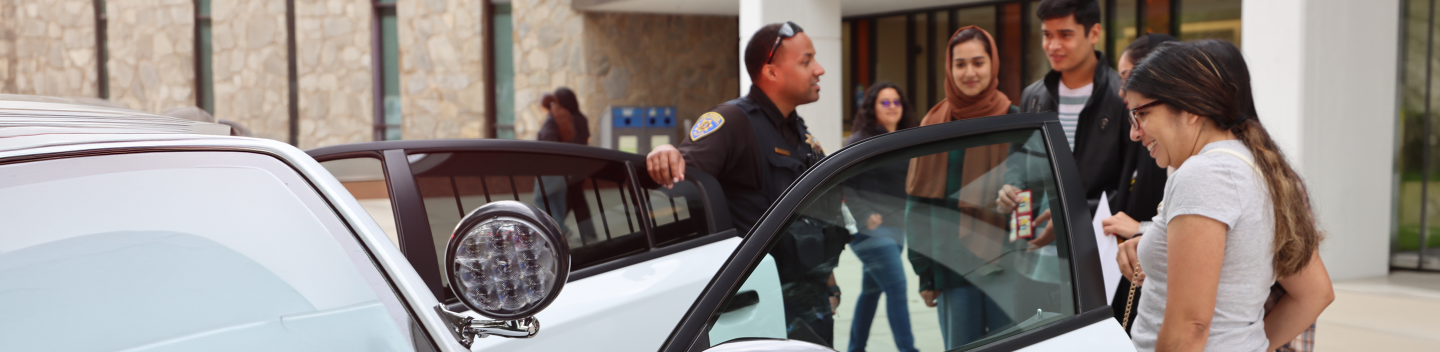
UPD also offers prevention and education programs, including Rape Aggression Defense (RAD), situational awareness and active shooter training, as well as a Student Academy that gives participants an opportunity to learn more about law enforcement.
“Our mission is to ensure that our students can pursue their education and participate in University life knowing that we will do everything within our authority to protect the safety of our entire campus community,” Rios-Ellis said.
The Role of Security Cameras
Technology is one component of the University’s broader approach to campus safety.
Stan State uses conventional video security cameras in public areas across campus to help deter crime, support emergency response and assist with investigations.
“I view security cameras as one important piece of a much larger campus safety approach,” Olson said. “They are tools that can help us protect people, safeguard University property and better understand what occurred when an incident takes place.”
Camera footage can help investigators establish timelines, identify relevant details and better understand what occurred during an incident.
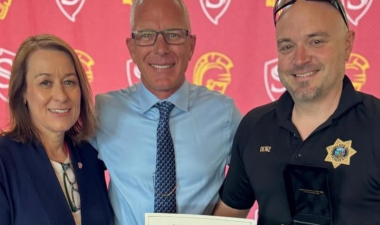
In early 2024, campus security camera footage helped UPD investigate a burglary case at Demergasso-Bava Hall that became what the CSU Office of the Chancellor described as the largest burglary case in Stan State history. The investigation, led by UPD’s Lt. Adam Deniz, resulted in multiple arrests and the recovery of stolen property. In fall 2025, Deniz received a CSU Meritorious Service Award for his work.
The University’s use of security cameras is governed by the California State University Video Security Camera Policy, applicable state and federal law and University procedures.
While some of Stan State’s security camera equipment is capable of supporting artificial intelligence-enabled services, the University does not pay for or use those AI services and does not use AI-enabled technology through its security cameras to identify or track individuals.
Security cameras are located in public areas based on safety and operational needs and are not placed in areas where individuals have a reasonable expectation of privacy. Only authorized personnel with a legitimate operational need can access the camera system. Video data stored on these systems is not shared.
Asking Questions and Staying Informed
University leaders also emphasize that maintaining a safe campus requires clear communication about University practices and a willingness to respond to questions from the campus community.
“I want to encourage our students as well as our faculty and staff to please continue asking questions related to issues affecting our campus community and your University,” Rios-Ellis said. “We want you to engage in courageous conversations, challenge ideas and seek answers.”
That transparency also is central to building trust, Jones said.
“Trust grows when we invest in relationships, make reporting pathways and support resources clear and accessible, and communicate transparently about the safety measures in place.”
“That trust is something we should never take for granted,” Olson said.
Members of the campus community can learn more about safety, reporting options and support through the following resources:
Emergency and Safety
- Safety & Risk Management
- University Police Department
- Emergency Management
- StanAlert/emergency notifications
Reporting and Support
- Equity Programs and Compliance Office
- Counseling and Psychological Services
- Student Health Center
- Employee Wellness/Assistance Program (EAP)