These days, it’s common to hear or read about people challenging whether higher education is worth the cost. A recent NBC News poll found that almost two-thirds of registered voters now say a four-year program is not worth the price. Concerns about tuition, student loan debt and changing job markets shape that view.
For many students, this uncertainty feels personal. Students are often balancing coursework alongside work, transportation and housing challenges, while also worrying about student loan debt. That question sits behind every decision about college: is higher education worth it?
A degree signals more than completion. It reflects time, effort and the ability to follow through. It is an invaluable investment in yourself. For institutions like Stanislaus State that focus on access and outcomes, the value of higher education reaches well beyond a single learner or paycheck.
Career Outcomes and Long-Term Earning Potential
Higher education qualifies graduates for careers that require licensure, advanced training or demonstrated analytical skills. Many roles in healthcare, education, business, public service and technology expect applicants to complete training beyond high school.
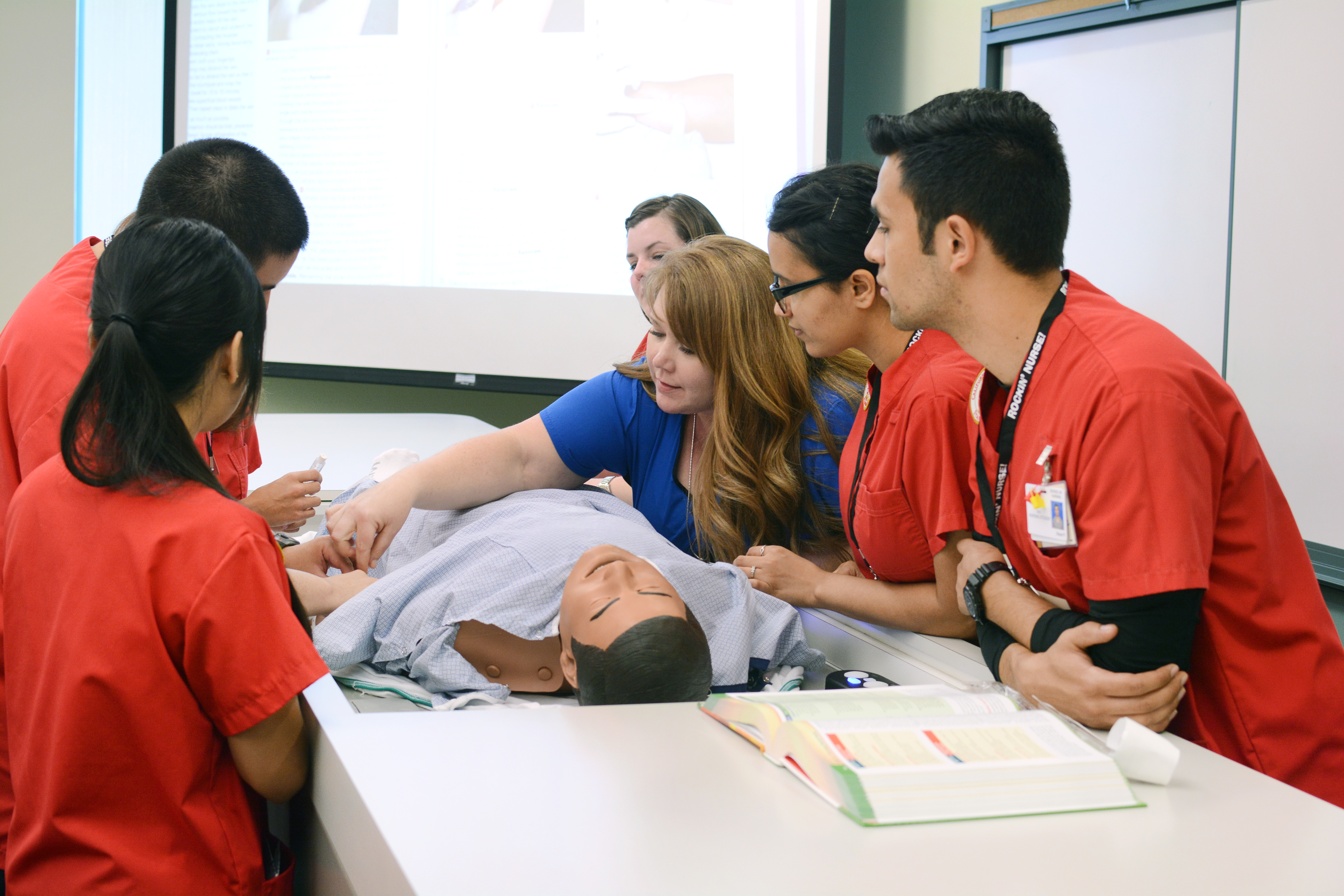
Employers look for people who learn quickly, communicate clearly and solve complex problems — skills developed through advanced learning experiences such as coursework, labs, group projects and internships, often long before a student enters the workforce.
What begins as academic training later translates into professional roles that require clear thinking, collaboration and accountability.
Even when employers do not require a specific major, they look for proof that a candidate can follow through, manage complexity and meet expectations over time. Completing a degree signals that. It shows the ability to handle deadlines, adapt to new demands and work through challenges. Those habits shape not only a first job, but long-term growth and leadership.
A Pathway to Mobility
Higher education remains one of the strongest drivers of social mobility in the United States. Graduates see increased lifetime earnings rise, creating ripple effects for families and communities.
National data from the U.S. Bureau of Labor Statistics shows a consistent pattern. Individuals with advanced education earn more and experience lower unemployment during economic downturns compared to those who finish with a high school diploma.
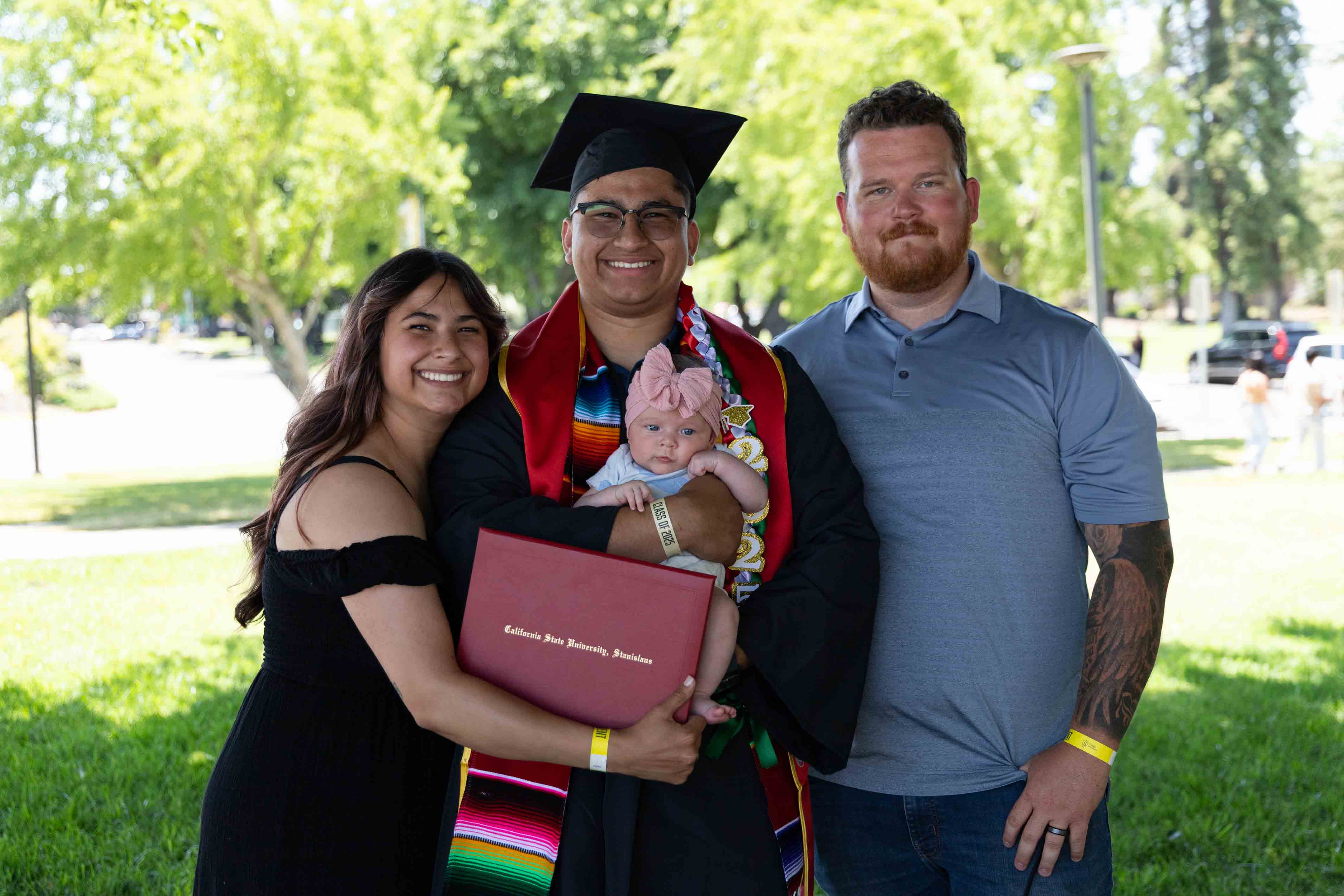
Independent rankings reinforce this impact. The Wall Street Journal ranks Stanislaus State No. 4 nationally for Social Mobility, and Third Way places the University No. 6 on its Economic Mobility Index, recognizing how effectively it serves students from different economic backgrounds and supports them through completion and career outcomes.
These rankings reflect how effectively the University expands opportunity for students from many income levels and backgrounds, including those who are the first in their families to pursue a degree. When barriers to education are lowered or removed, students can move into stable careers and communities to gain new homeowners, business owners and leaders.
Skills Beyond the Classroom
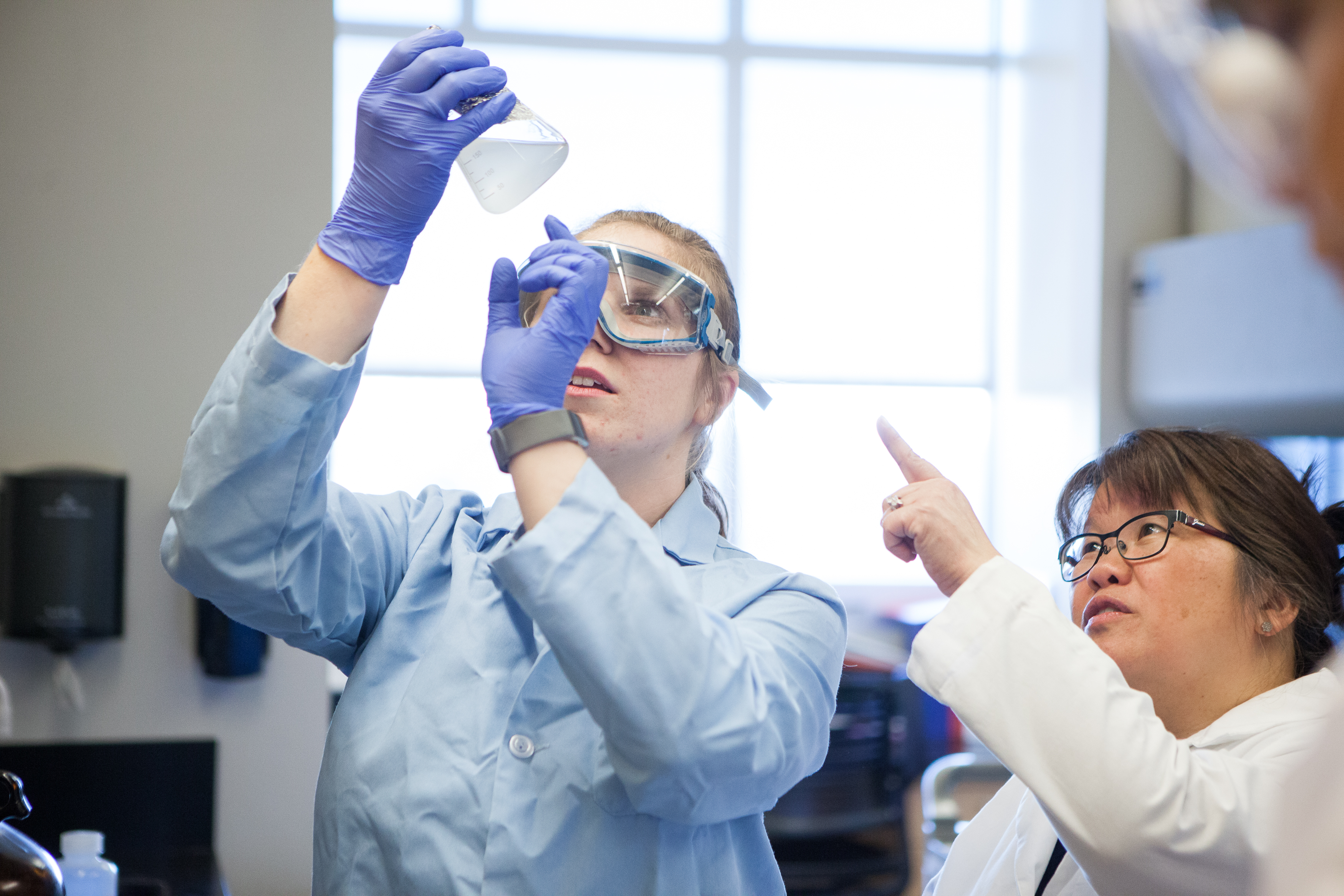
Higher education introduces students to new ideas and ways of thinking. A single day might include hands-on problem solving, policy debates, data analysis and collaborative work. Over time, those experiences build habits that matter.
Students develop practical skills that carry into their careers, from managing deadlines to leading projects and communicating under pressure. These experiences prepare graduates to contribute in professional environments where adaptability and accountability matter.
Graduates bring these skills into roles where decisions affect real people, from classrooms to clinics to public agencies.
Connections and Support
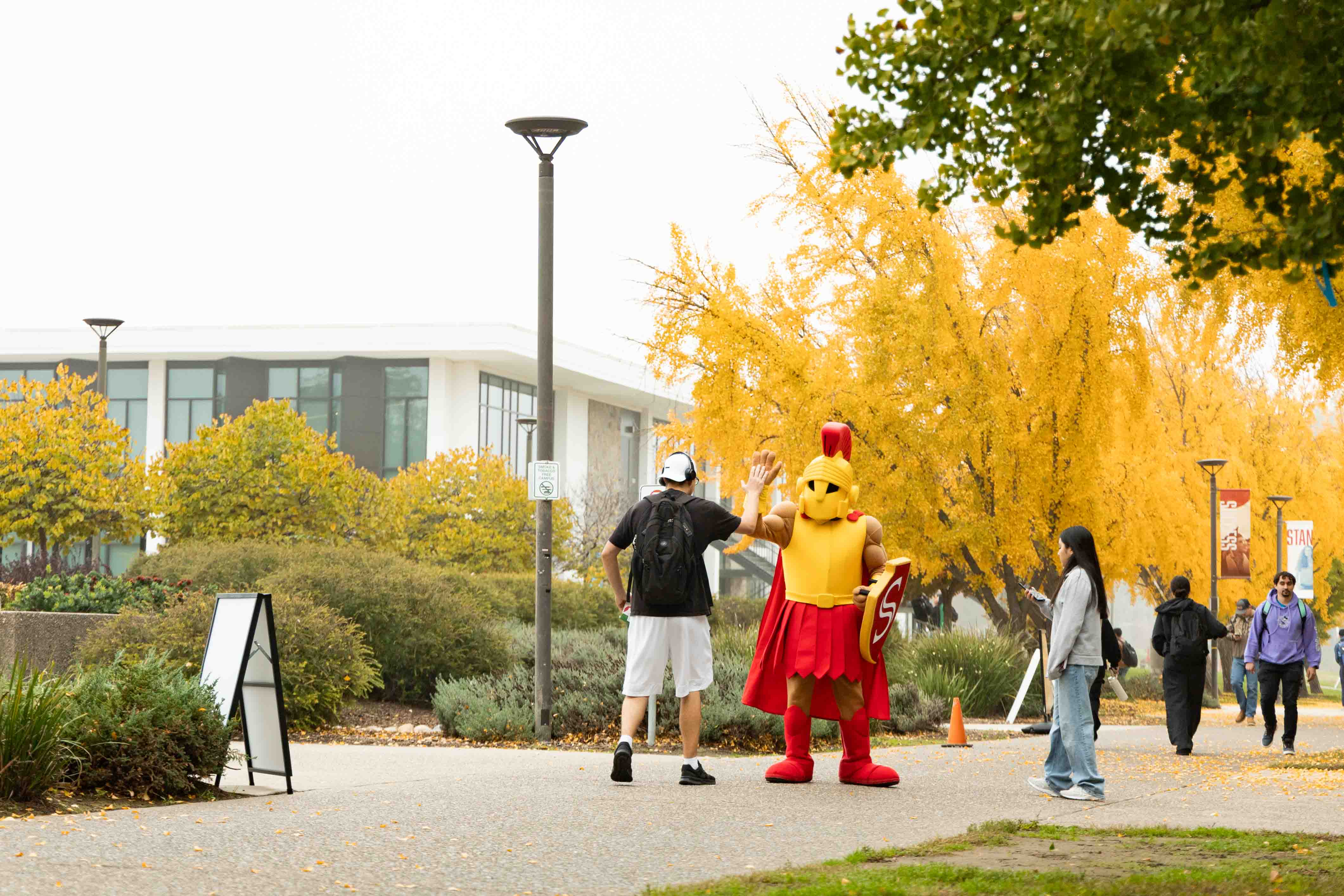
Mentorship and campus involvement play a direct role in student success. Faculty and staff advisors help students make informed academic choices and connect them to internships and career opportunities.
Just as important are the relationships students build with peers, faculty and employers. Connections formed through classes, student organizations, research opportunities and campus jobs often become professional networks that open doors long after graduation.
Together, these experiences strengthen the value of higher education. Students graduate not only with a degree, but with practical experience, professional relationships and the confidence to adapt as industries and workforce needs evolve.
So, is higher education worth it? Yes. For many, the answer becomes clearer over time. In steady employment or even expanded career opportunities. In career mobility. In the ability to adapt when industries change.
The decision is not simple. But the long-term pattern is.
Higher education can feel like a risk in the moment, but it reshapes opportunities over time. The decision is not simple, and the challenges are real. But the skills, opportunities and connections gained can shape a lifetime.