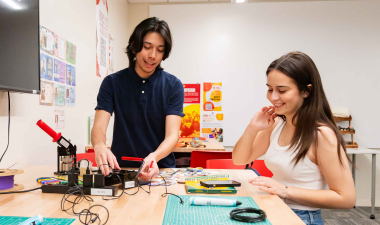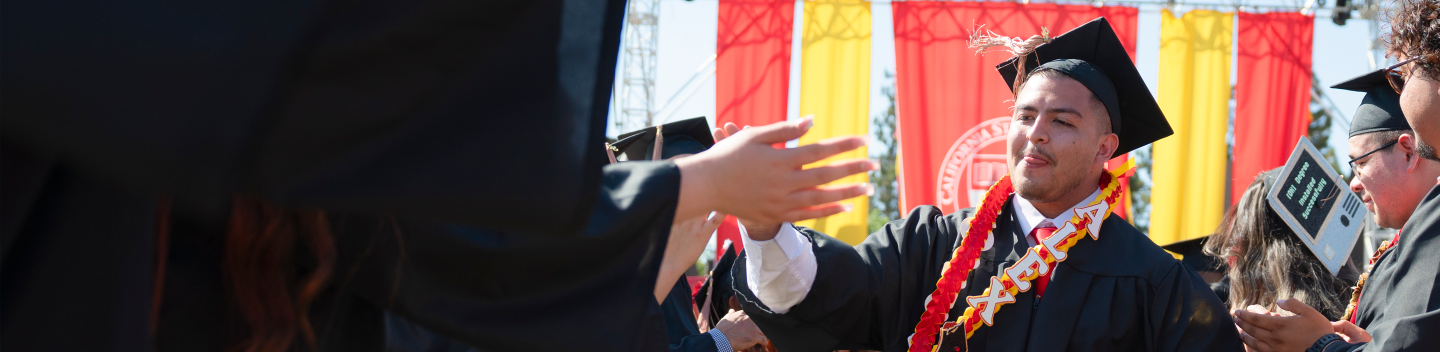
Stanislaus State students are gaining real-world experience that prepares them for life after graduation — all through community partnerships rooted in learning, service and reciprocity.
That work was recognized Monday, Jan. 12, when the Carnegie Foundation for the Advancement of Teaching, in partnership with the American Council on Education, announced Stanislaus State has once again earned the Carnegie Community Engagement Classification. The University first received the elective classification in 2008.
Stanislaus State is among more than 230 institutions nationwide to receive the elective classification, which recognizes sustained, institution-wide commitment to community-engaged teaching, learning and scholarship. The national recognition reflects how students gain real-world experience through long-term partnerships that mutually benefit both students and the communities they serve.
“The Carnegie Community Engagement Classification renewal affirms who we are as a University and how we work in collaboration with community agencies to support the Central Valley,” said President Britt Rios-Ellis. “Applied experiences are woven throughout the Stan State’s student trajectory and play a major role in preparing our graduates for the professional workforce. Woven throughout our teaching, learning and training in partnership with agencies, our students gain real-world experiences through reciprocal, community-based initiatives, thereby strengthening the quality of life in the Central Valley.”
Community-engaged learning is a significant part of the Stan State student experience. During the 2024–25 academic year, 31 percent of students participated in service learning, academic internships or community-based activities, representing an estimated $5.39 million in local economic impact. Those experiences connect academic coursework with community priorities through classrooms, nonprofits, public agencies and regional partners.
“We work closely with our community partners, faculty and students to offer community-engaged learning, applied research and internships that address regional needs — from K-12 education, climate action and food insecurity to social work and public health,” said Vice Provost and Associate Vice President for Academic Affairs Stuart Wooley. “ Stanislaus State provides meaningful opportunities through the curriculum and co-curriculum for our students to apply what they’re learning in the real world.”
Through 93 service learning and community-engaged learning course sections, more than 1,400 students completed coursework that integrated community-based projects, contributing 82,501 service hours across the region. Academic internships further expanded those opportunities, with 286 students participating in internships that provided 45,029 hours of applied learning and professional experience.
The University provides structured support for faculty and students to ensure community engagement efforts are intentional, reciprocal and aligned with both student learning outcomes and regional priorities.
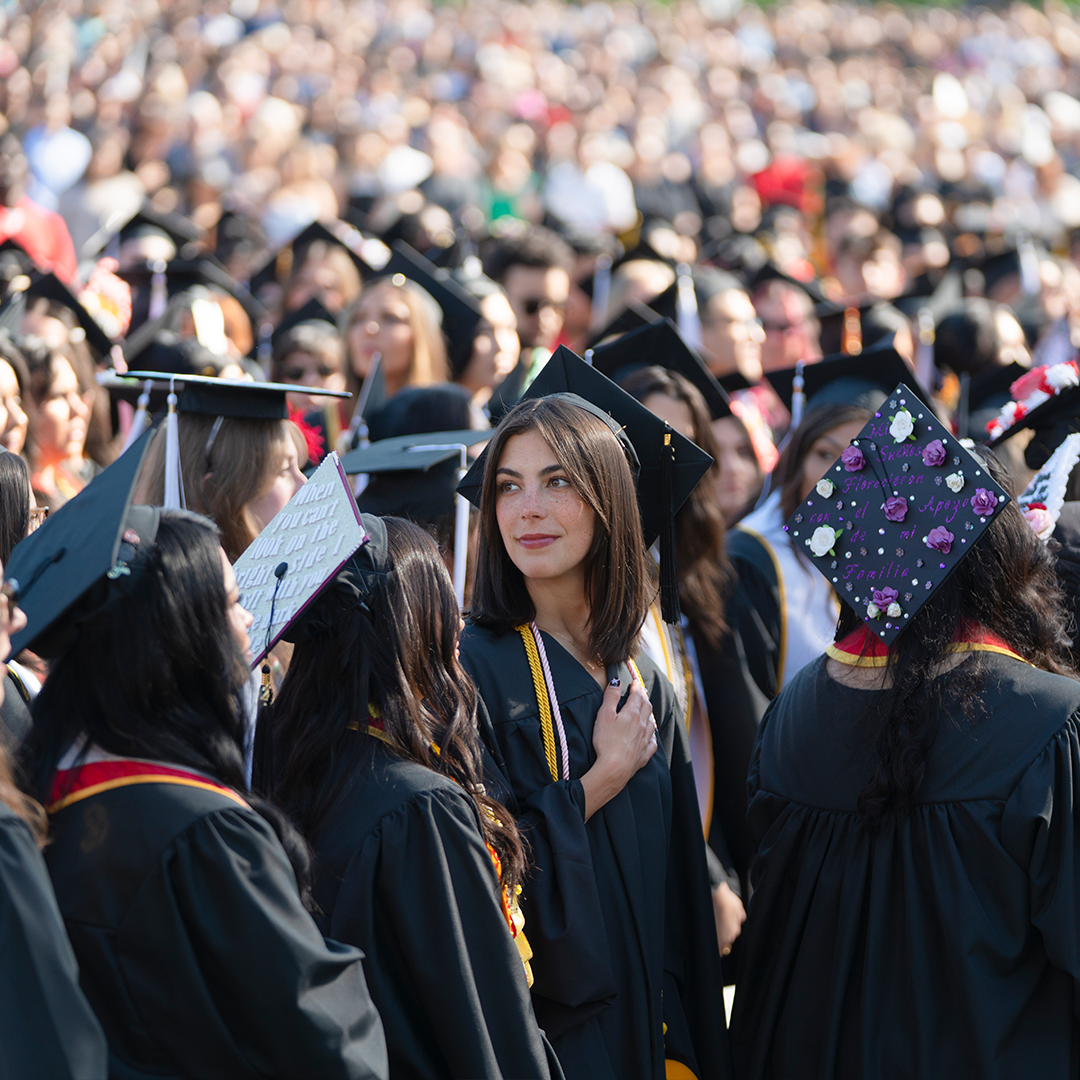
Community engagement also extends beyond the classroom. In 2024–25, Stan State supported 22 community-based events, engaging more than 1,000 student volunteers who contributed nearly 6,800 service hours through outreach, civic engagement and community partnership activities.
Since 2020, Stanislaus State has demonstrated statewide leadership through its participation in the Californians for All Civic Action Fellows Pilot and three cohorts of the California Volunteers College Corps program. As one of the original pilot campuses, the University has brought in more than $3.5 million to support students and strengthen long-term partnerships across the region.
In just the first two cohorts, 196 student Fellows contributed more than 78,500 hours of service in collaboration with more than 50 community partners. The program continues to achieve through cross-divisional partnerships with campus units such as the Male Success Initiative, Basic Needs, Career and Professional Development and Undocumented Student Services, ensuring alignment between student support and community-defined priorities.
At the Stockton Campus, the University’s Volunteer Income Tax Assistance (VITA) site offers a clear example of how student learning and community benefit intersect. Operating in partnership with United Way of San Joaquin County and 211 San Joaquin, Stan State students receive IRS-mandated training and help community members file tax returns and claim refunds and credits they might otherwise miss — putting real dollars back into local households. At the same time, students gain hands-on experience in financial literacy, client service and professional accountability through sustained, community-rooted partnerships.
In Turlock, Stan State’s community engagement is also shaping long-term workforce pathways, particularly in education. Through the Aspiring Educators student organization and its connection to the Educators Rising network, Stan State students partner with high school students across the region who are exploring careers in teaching. College students serve as mentors and leaders, while high school participants gain early exposure to the profession and to higher education.
In summer 2024, Stan State students accompanied regional high school Educators Rising members to the national Educators Rising Conference in Washington, D.C., where participants engaged with national leaders, attended professional development sessions and built confidence in their future career paths. The experience strengthened regional partnerships and reinforced Stan State’s role in cultivating the next generation of educators for the Central Valley.
The Carnegie Foundation cited Stan State’s high level of institutionalization of community engagement across its colleges, departments and student organizations.
“This designation highlights Stan State’s leadership in aligning University expertise with community priorities to produce lasting regional outcomes,” Wooley said. “Our partnerships strengthen educational pipelines, expand economic opportunity and improve quality of life across our six-county service region.”
What distinguishes Stanislaus State’s approach is its emphasis on depth, continuity and shared goals rather than one-time service or volunteerism.
“We are intentional about embedding community-engaged learning into the curriculum across colleges and disciplines,” Wooley said. “As a result, students are exposed to multiple opportunities throughout their University experience, preparing them to be engaged, ethical and civically minded citizens and leaders.”
The Carnegie Community Engagement Classification is held for a six-year period before reclassification and reflects sustained institutional commitment, not a single moment in time. For Stanislaus State, the renewal underscores a long-standing approach to education rooted in partnership, reciprocity and place-based impact — preparing students to thrive while strengthening the communities they call home.
“This work creates a lasting ripple effect,” Wooley said. “Students carry these experiences forward — into graduate study, into their professions and back into the communities they served. That’s how community engagement becomes part of who they are.”