At Stanislaus State, studying abroad is becoming an increasingly central part of the Warrior experience.
This year, more students studied abroad than in any year in the past two decades. The growth reflects President Britt Rios-Ellis’ priority of creating meaningful, affordable and accessible international experiences for students.
“One of the greatest responsibilities we have as a University is preparing graduates who can lead with confidence in an increasingly interconnected world,” Rios-Ellis said during her Fall Welcome Address.
Stan Global, which oversees global initiatives and study abroad programs, emphasizes short-term, faculty-led opportunities that can fit easier into students’ academic, professional, financial and family responsibilities. These programs allow students to travel with faculty members they know, helping them connect international experiences directly to their coursework. Short-term programs can also reduce some of the logistical and financial barriers associated with longer stays abroad.
“Short-term study abroad is equally effective,” Rios-Ellis said, citing research showing that international experiences can support student retention and success regardless of their length.
- President Britt Rios-Ellis
“We want students from every background and every academic discipline to see study abroad not as something beyond their reach, but as an opportunity that can enrich their education and broaden their perspective,” added Provost and Vice President for Academic Affairs Rich Ogle.
Making International Education More Accessible
In addition to semester and academic-year programs, Stan State is emphasizing short-term, faculty-led study abroad opportunities that allow students to travel internationally for a condensed period while learning alongside faculty.
“These faculty-led programs provide an important bridge between classroom learning and real-world global experiences,” Ogle said. “The shorter format can make international study more accessible and more feasible for students who have to balance academics, professional, financial and family responsibilities, and just as importantly, students experience another country alongside Stan State faculty whom they have a relationship with. They can help them connect what they encounter abroad directly to their classes in academic studies.”
At a recent study abroad fair, students met with representatives from organizations including Academic Programs International (API), the University Studies Abroad Consortium (USAC) and California State University International Programs (CSUIP). The variety of programs is intentional, giving students the opportunity to pursue coursework related to their majors, participate in internships, conduct research, teach English, study a language or engage in immersive cultural learning. The fair also offered a chance to ask questions about costs, academic requirements and support.
The Benjamin A. Gilman International Scholarship is one option that financially supports students, providing up to $5,000 to eligible undergraduates participating in approved study abroad or internship programs, such as USAC, CSUIP or Stan State Exchange programs.
Academic Programs International (API) offers programs and internships for students in fields ranging from education, business and engineering to biology, pre-med, communication and the social sciences. Internship opportunities include laboratory research, co-teaching and social media marketing.
“We want to create access to these life-changing experiences.” ” said Jay Bartletti, vice president of university relationships for API.
The University Studies Abroad Consortium (USAC) is a nonprofit provider affiliated with Stan State offering programs in 26 countries and 50 locations. With a focus on affordability, USAC offers discounts and scholarships, and often places programs in locations outside major tourist centers, helping reduce costs while providing students with immersive cultural experiences.
Through CSU International Programs (CSUIP), students can study in locations around the world while paying the same systemwide tuition they would pay at a CSU campus. CSUIP also provides on-site staff dedicated to supporting CSU students.
- Rich Ogle, Provost and Vice President for Academic Affairs
“We want to make sure that it’s not only something that is available, but that it’s accessible,” said Eddie Mejia, a CSUIP study abroad adviser.
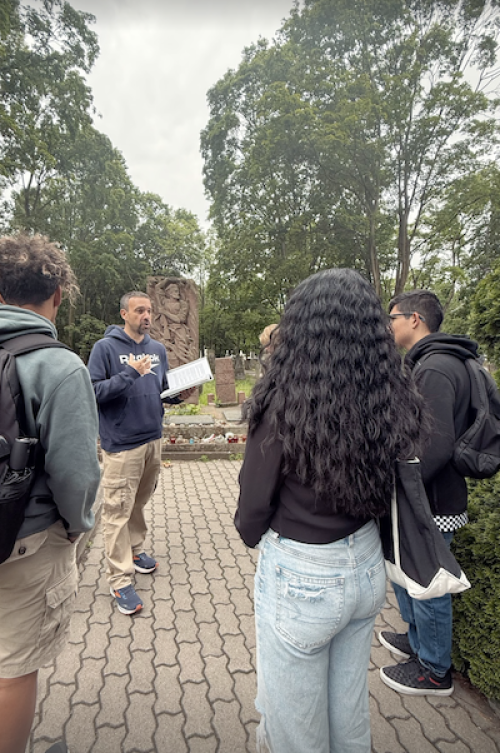
Associate professor of criminal justice Sebastián Sclofsky also shared information about a two-week Holocaust studies experience in Germany and Poland.
Other opportunities provide students with extended international engagement after graduation. Through the Fulbright U.S. Student Program, graduating seniors and recent alumni can apply for opportunities to pursue graduate study, conduct research or teach English in more than 140 countries.
Forging Relationships in Mexico
Expanding partnerships in Mexico is another part of Stan State’s effort to broaden access. Led by Dean of Professional and Global Education Kari Knutson Miller, the University is strengthening relationships that support student learning, faculty collaboration and cultural engagement.
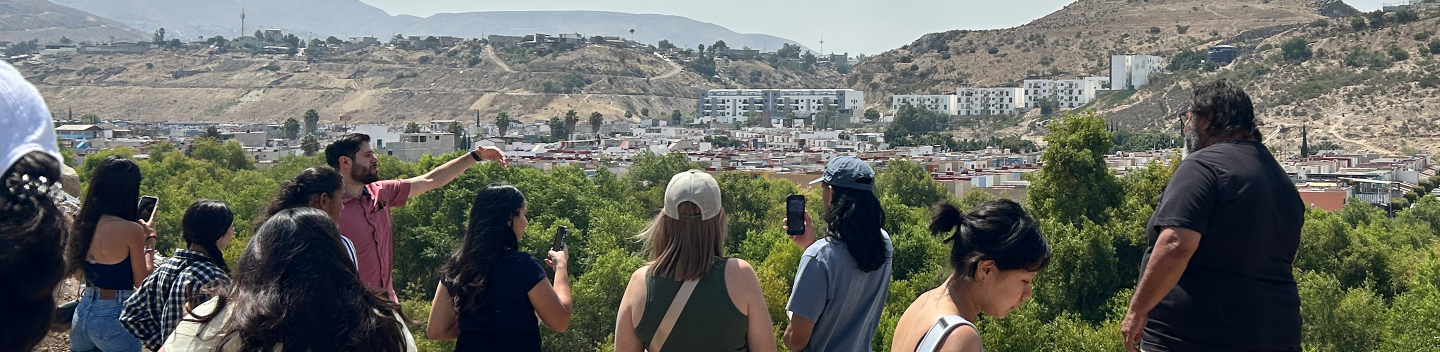
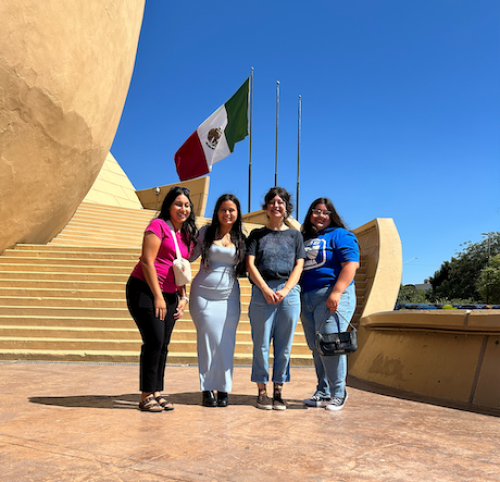
A growing partnership with CETYS University in Ensenada illustrates this work. During a recent Leadership and Innovation Program hosted at the CETYS campus, Stan State students worked alongside CETYS scholars in workshops and team projects focused on communication, entrepreneurship and global leadership. University leadership also visited the U.S. Consulate General in nearby Tijuana.
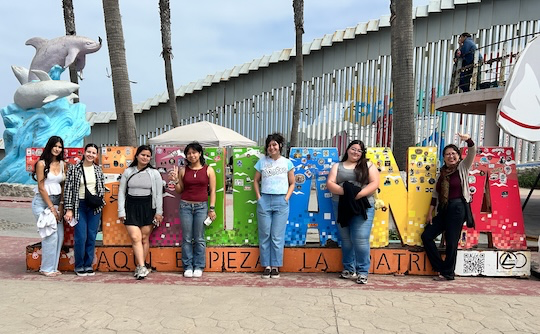
The trip reflected both renewed momentum and a long-term strategy to expand student mobility, faculty collaboration and international partnerships.
As Stan State expands its agreements with CETYS and other partnerships in Yucatán, Puebla, Toluca, the Mexico City region and Baja Norte, Stan State is developing what Rios-Ellis described as “a bold and innovative model of binational academic exchange.”
Building Confidence, Skills and Connection
At the heart of Stan State’s effort is the fact that international experiences can help students develop adaptability, intercultural communication, problem-solving skills and confidence. Ogle also emphasized that students return with employable skills and perspectives that enrich classroom conversations.
“Study abroad develops qualities employers and communities increasingly value: adaptability, intercultural communication, problem solving, independence, and the ability to work effectively across differences,” said Ogle. “We know from research that students also return with greater confidence and a broader understanding of the world. Those perspectives strengthen not only their academics, but they also help enrich conversations with their fellow students.”
The first step that all students are encouraged to take is to attend a Study Abroad 101 information session. Attendees will learn about each program available through Stan State, costs, financial aid and scholarship options and the application process. Advisors can then match students with programs that fit academic goals, which courses abroad may apply to majors and graduation requirements, budget and comfort levels.
Most programs require students to be enrolled at Stan State, be in good academic standing, meet minimum GPA requirements and complete required application materials.
What Ogle most wants students to know: “These opportunities are possible for everyone.”