Time
Thursday, Nov. 19, 2026
4 - 8 p.m. PST
Location
Warrior Steps, Student Center
Who's Invited
Campus Community, Alumni & Public
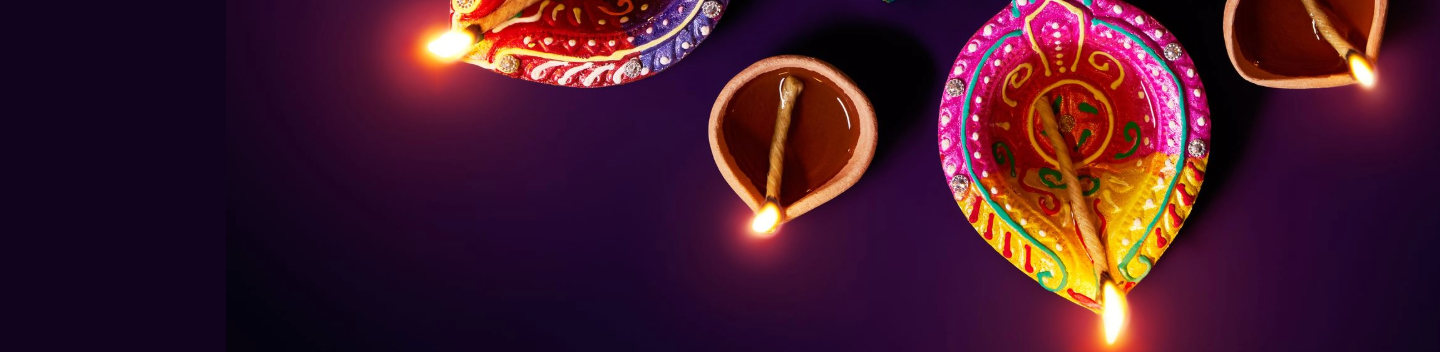
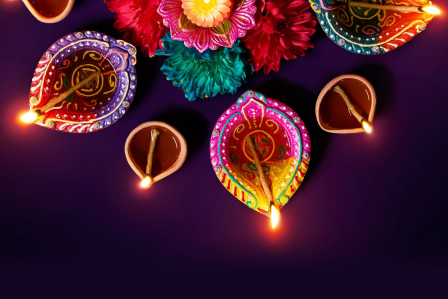
divas, traditional small oil lamp made of clay

Celebrate Diwali and Bandi Chhor Divas with the Stan State community through an evening of food, performances, music and activities. Together, we will learn about the distinct histories and traditions of these observances while celebrating shared values of community, hope and generosity. All students, faculty, staff and community members are welcome. 

Come enjoy Stan State’s Diwali Party, featuring

  • Music by DJ Cre8ive
  • Bhangra performance by Bhangra Institute
  • Dhol performance by Protein Dholi
  • Henna by Neeta Sharma, Mehndi Designer

Guests are encouraged to wear traditional attire.

Register Today!

Complimentary Parking in Lot 11: See Google Maps for directions to the Student Center from the parking lot.

Presented by the Asian American, Native Hawaiian & Pacific Islander Student Achievement Program (ASAP) at Stanislaus State.

What is Diwali & Bandi Chhor Divas?

Diwali

A Hindu Festival of Light

Pronounced dih-WAH-lee or dih-VAH-lee

Diwali, also known as Deepavali, means “a row of lights” in Sanskrit. For many Hindus, Diwali celebrates the return of Lord Rama, Sita and Lakshmana to Ayodhya after 14 years of exile.

According to the Ramayana, their return marked the restoration of righteousness and the triumph of light over darkness. The people of Ayodhya welcomed them by illuminating the city with rows of diyas, or oil lamps.

Often observed over five days, Diwali traditions may include lighting diyas, sharing sweets, gathering with loved ones, offering prayers and welcoming prosperity.

Diwali is celebrated in different ways across regions, families and communities. Other communities across South Asia also observe Diwali through their own distinct stories and traditions.

Bandi Chhor Divas

A Sikh Observance of Liberation

Pronounced BAHN-dee chhor DEE-vuhz

Bandi Chhor Divas, meaning “Day of Liberation,” commemorates Guru Hargobind Sahib's release from Gwalior Fort in 1619.

When Guru Hargobind Sahib was offered freedom, he refused to leave unless 52 imprisoned rulers were also released. The emperor agreed, but only if they held onto the Guru’s chola, a traditional robe. Guru Hargobind Sahib had a special chola made with 52 tassels, allowing all 52 to walk free alongside him.

When Guru Hargobind Sahib returned to Amritsar, the city welcomed him by lighting lamps throughout the city and at Harmandir Sahib, also known as the Golden Temple. Many Sikhs continue this tradition by illuminating homes and gurdwaras.

The story reflects Sikh commitments to justice, compassion, courage and collective freedom.