
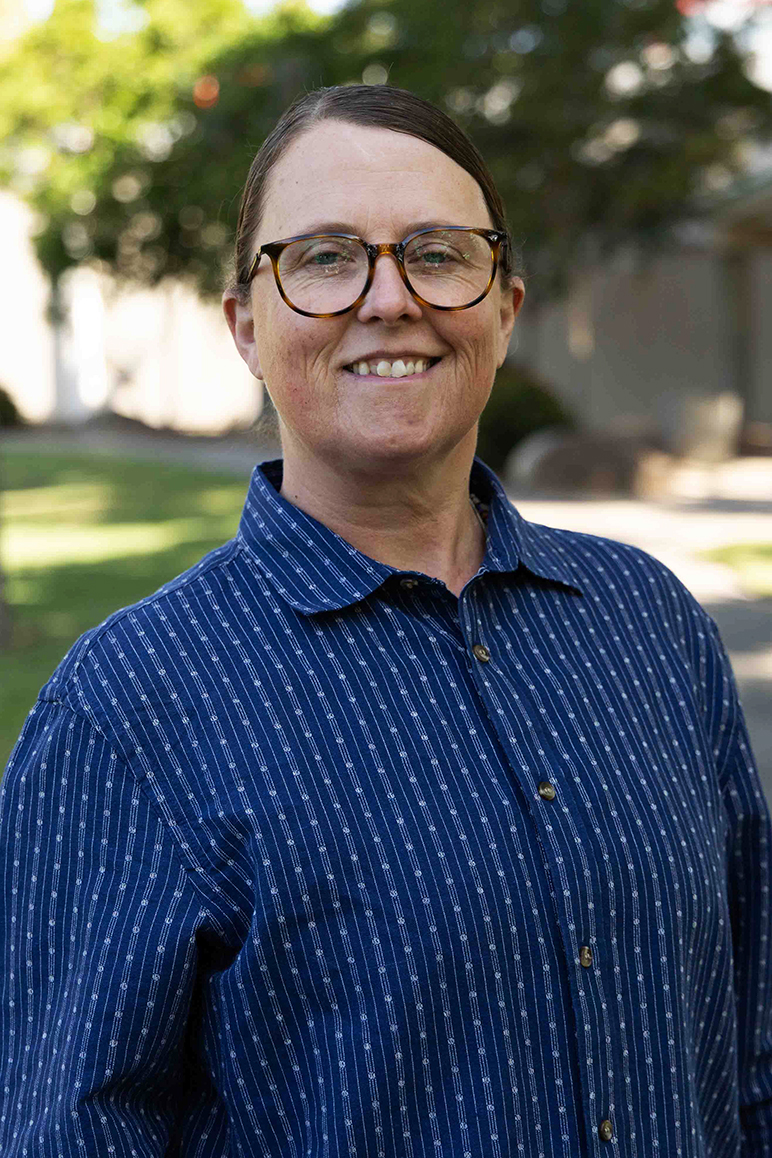
Gurleen Basra and Bailey Ramberg understand the impact of Stanislaus State’s Basic Needs program. Each of the Master of Social Work students have served as interns in the Basic Needs office and were inspired by their own experiences to help fellow Warriors overcome food and housing insecurity and financial instability.
Basra and her family immigrated to the United States from India when she was 16, and support was limited. Ramberg, who grew up in the Bay Area and has called Tuolumne County home for the past decade, knows the difference that meaningful support can make — and how one person’s willingness to help can shape another’s future.
“I have been the recipient of social services and social programs throughout my lifetime, as a child and into my adulthood,” Ramberg said. “I am at a point in my life where I feel like my lived experience, coupled with a fantastic education and opportunities like I have now as an intern with Basic Needs, will make me a great social worker in the future.”
As a campus community, I feel that it is our responsibility to take care of one another. I don’t want anybody to think that they are alone.
— Gurleen Basra, Master of Social Work
The classmates and practicum partners share the same goal — to help Warriors thrive both in and out of the classroom.
“I want to offer help to others who may be in the same shoes I was in,” Basra said. “As a campus community, I feel that it is our responsibility to take care of one another. I don’t want anybody to think that they are alone.”
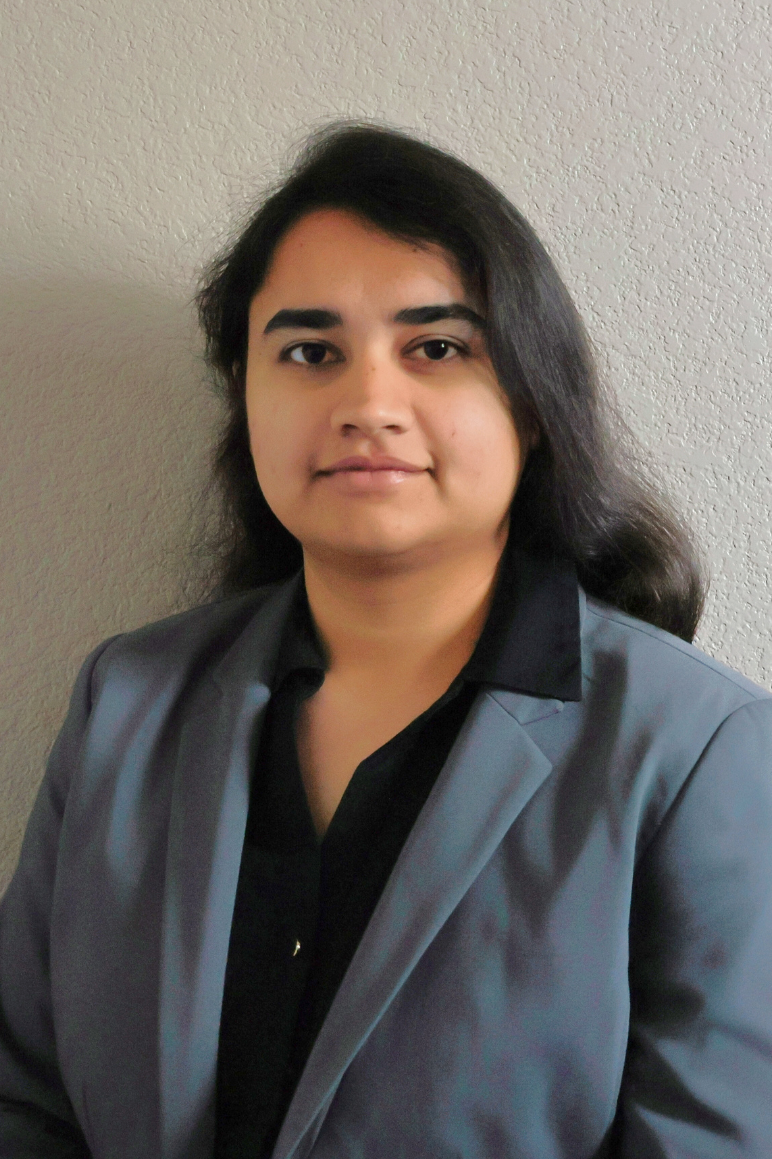
Basra said her family received little guidance when it came to things like medical insurance, college and school admissions, jobs and more upon moving to the United States.
“We had to figure it out ourselves,” Basra said. “I wish we had someone who could have acted as a resource to help us navigate the new system at that time. This is what motivated me to pursue social work as a career, so that I can be that person for someone else.”
As interns, Basra and Ramberg help guide students through emergency grants, housing and CalFresh applications, and also connect students with resources in the community.
Basra earned her Bachelor of Arts in Sociology and minors in applied psychology and philosophy from UC Santa Barbara before returning home to Turlock to pursue her graduate degree at Stan State.
Ramberg’s introduction to the Basic Needs program came as she pursued her undergraduate degree in sociology at Stan State. She began using the resources after being encouraged by professors and mentors Tamara Sniezek and Ann Strahm.
“They would mention Basic Needs in the syllabus,” Ramberg said. “Throughout the semester, when there were food box distribution days, they would give us 10 to 15 minutes to run down and grab boxes since they were only handed out at select times. They emphasized that it is for everybody.”
It’s a message they want to share with as many Warriors as possible.
“Asking for help can be a little daunting for many people,” Basra said. “I have come across so many people who think they are being a bother or don’t want to be seen as someone taking advantage of the resources that other people may need more than them. I want others to know that these resources are meant for them.”
Basic Needs has continued to play a critical role in supporting student success, having served thousands of students by providing food, clothing, housing and other financial assistance.
During the 2024-2025 academic year, Director of Basic Needs Heather Pearson Villeda estimates that her office in the Student Services Building on the Turlock campus served about 900 students a week during the last academic year, plus a couple hundred more in the Acacia Building at the Stockton Campus.
During this same time period, the Warrior Food Pantry recorded 32,372 total visits from 3,720 unique students over the past year. Meanwhile, the food box distribution program provided 2,100 boxes in Turlock alone to 1,036 unique students. Each box contains approximately three days’ worth of non-perishable items and seasonal foods, offering immediate relief to students facing short-term food insecurity.
Access to CalFresh, California’s nutrition assistance program, remains another key component of Basic Needs services. The team assisted with 369 CalFresh applications this year, helping students secure ongoing financial support for groceries. This service not only addresses immediate food insecurity but also provides longer-term stability.
Basic Needs provides direct support to student-parents through access to essential resources and coordinated service in a variety of areas. Services include the distribution of childcare necessities such as diapers, wipes, formula and baby food, as well as children’s clothing for all ages through the Warrior Clothing Closet. Support from Associated Students, Inc., and the University Student Center helps sustain both student‑parent essentials and broader Basic Needs services, including the food pantry and emergency grant assistance. A new initiative, the Little Warriors event, supported 20 student-parents and 34 children by expanding access to CalFresh assistance and resource navigation. These efforts are part of the broader Pregnant and Parenting Students Initiative, which focuses on increasing access to resources and fostering connection among student-parents.

For students experiencing crises, 153 emergency grants were awarded to students facing unexpected financial hardships. Additionally, 28 students received temporary housing placements, either on campus or in local hotels, ensuring they had a safe place to stay during difficult times.
By offering support with care and a sense of community, we aim to help students feel connected and empowered to work toward their goals.
— Heather Pearson Villeda, Director of Basic Needs
“When students have reliable access to food, housing and financial support, they are better positioned to engage fully and pursue their goals,” Pearson Villeda said. “By offering support with care and a sense of community, we aim to help students feel connected and empowered to work toward their goals.”
It’s a sentiment shared by Ramberg and Basra.
“It’s very hard to know what’s going on in someone’s life just by sitting next to them in class,” Ramberg said. “People are going through things that we will never know about. It’s important that we remain kind and receptive to people. It’s been nice to be on this side and see how people can benefit from extra Basic Needs services that we have. I know first-hand how important and helpful these resources can be.”
“One of the biggest lessons from working with Basic Needs is understanding how to empower the students that we work with — whether by guiding them through the CalFresh application, making a phone call to a community resource with them, or simply by being there by their side, reminding them that they are not alone,” Basra added. “I know I will carry these experiences with me into my career as a social worker.”